

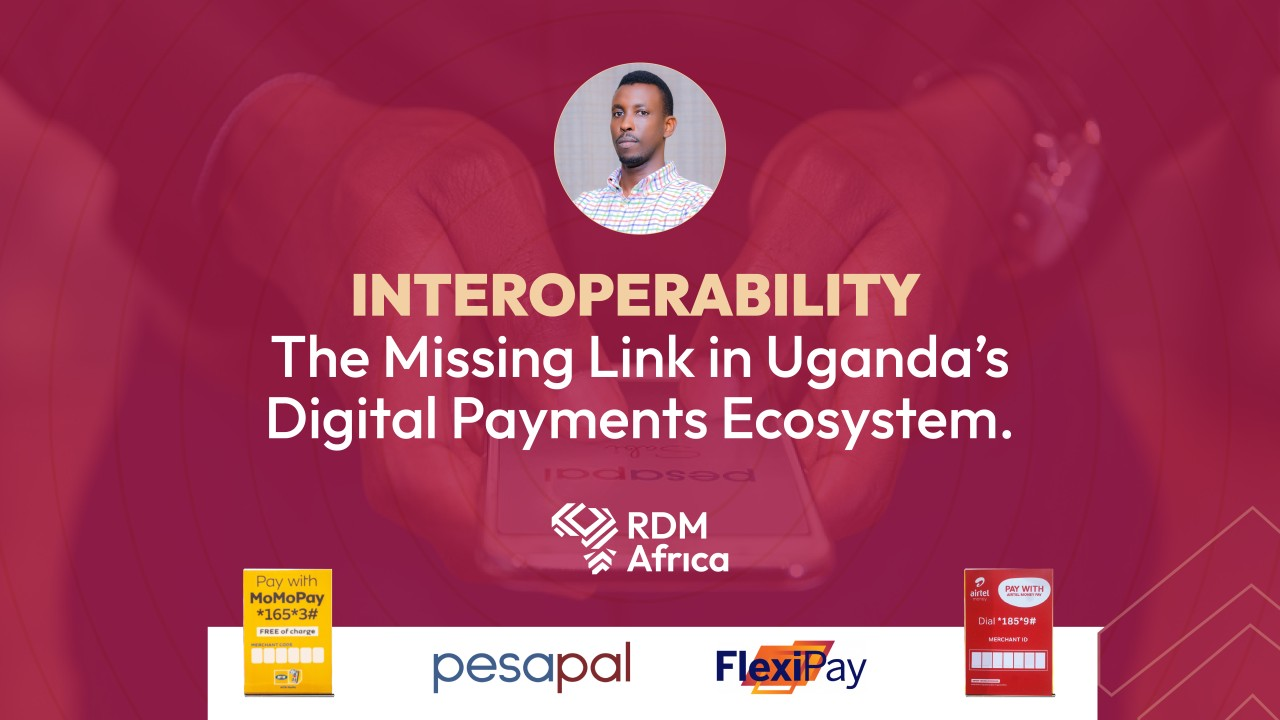

Uganda’s digital payments ecosystem is characterised by mobile money platforms, online payment gateways, and increasing adoption in the retail and service sectors. Mobile money is widely used, digital payment rails are expanding, and fintech solutions are gradually finding their footing. Digital payments represent a unique transformative opportunity to break free from the dominance of cash across Uganda and Africa. Players such as MTN MoMo Pay, Airtel Money, Stanbic FlexiPay, Wendi, Pesapal, among others, dominate the market, with banks and fintech companies providing supplementary solutions.
The growth in recent years is fuelled by technological advancements, increasing smartphone adoption, and expanded internet access. While these systems cater to thousands of users, the market remains fragmented and reliant on a limited pool of active merchants to process transactions effectively. This poses a significant challenge: unless a digital finance service provider meets the one million merchants target, all actively transacting, their prospects for sustainable scalability remain uncertain.
The most reliable and cost-effective solution to this – tried and tested in more developed markets – is interoperability. Interoperability is the ability of different digital payment platforms, systems, or networks to communicate and transact seamlessly. Imagine a system where users on MTN MoMo Pay, Airtel Money or FlexiPay can pay for goods and services to a single merchant code. Where a business accepts payments from multiple wallet providers through a single interface. That’s the future we should be working towards.
A broader merchant base would ensure that digital payment systems become entrenched in everyday commerce, reducing reliance on cash and strengthening financial inclusion.
Opportunities for Growth
While mobile money payments are currently the most viable alternative to cash dominance in the African market, innovations from banks, unit trusts, and other digital finance players become more fluent in the language of convenience with every new release. A sign that you cannot count them out of this race just yet. Uganda’s burgeoning fintech industry offers immense opportunities. With a youthful population increasingly reliant on smartphones, there is a ready market for digital payments. Furthermore, government initiatives aimed at promoting cashless transactions, like the Central Bank’s shift to digital currency to cut costs, coupled with rising e-commerce trends, provide fertile ground for cultivating a robust merchant base.Challenges Faced
- Lack of interoperability
- Limited Merchant Adoption
- Lack of Incentives for Merchants
- Consumer Trust and Awareness
- Need for Swifter Payment Tactics
- Merchant Service Pricing Not Clearly Defined
- The Know Your Customer (KYC) requirements
- Strategic Partnerships: Collaborations between fintech companies, mobile operators, and government bodies can expand outreach programs and subsidize the costs of onboarding merchants.
- Merchant Education: Training programs targeting SMEs should focus on the benefits of digital payments, including increased security, reduced cash-handling risks, and enhanced customer convenience.
- Infrastructure Development: Expanding internet connectivity to underserved regions and reducing costs for digital payment devices is crucial.
- Incentive Structures: Platforms could offer cashback, discounts, or reduced transaction fees to encourage merchants to adopt digital systems.
- Data Analytics: Leveraging data insights to understand merchant behaviour and optimise services will build confidence and tailor solutions for varying business needs.